How to Support Gut Health Without Overcomplicating It
Supporting gut health does not need to involve complicated diets, punishing cleanses or endless supplements. Discover how regular meals, plant variety, hydration, mindful eating, movement, sleep and stress support can help you build a calmer, more sustainable approach to digestive wellbeing.
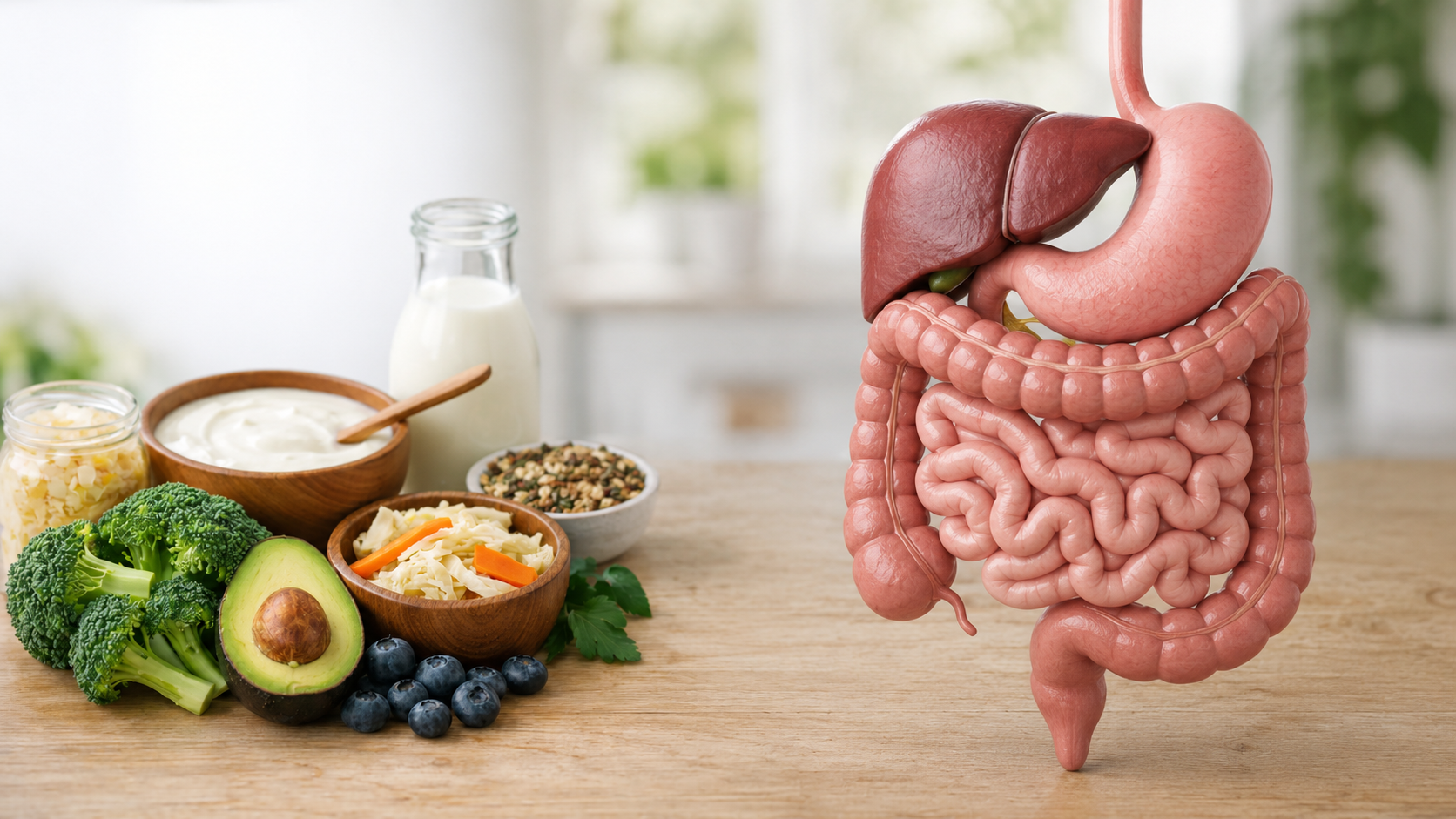
A bloated stomach after every meal, unpredictable bowel habits, food fears, low energy or a feeling that something is simply not right can make eating feel stressful. Learning how to support gut health is not about following a punishing cleanse or buying every supplement on the shelf. It is about building a few steady, nourishing habits, then paying attention to how your individual body responds.
Your gut is part of a wider system. It responds to what you eat, but also to sleep, movement, stress, medication, illness, hormonal changes and the pace of daily life. That is why a whole-person approach is often more useful than chasing one ‘perfect’ food.
How to support gut health with foundations first
The digestive system does best with consistency. Before making major dietary changes, begin by looking at the foundations that can shape digestion every day: regular meals, enough fluids, unhurried eating, sleep and gentle movement.
Try to eat meals at broadly similar times where possible. Skipping meals all day and eating a large evening meal may leave some people feeling uncomfortable, particularly if they are already prone to reflux, bloating or erratic hunger. There is no single meal pattern that suits everyone, but your body often appreciates a rhythm it can anticipate.
How you eat matters too. Sitting down, chewing thoroughly and taking a few slow breaths before a meal can help shift the body towards a calmer ‘rest and digest’ state. This is not about being perfect at every lunch break. It is a practical invitation to notice whether rushed eating, screens or work pressure are adding to digestive discomfort.
Hydration supports normal bowel function, yet needs vary with body size, activity, weather and health conditions. Water is a reliable starting point, while soups, herbal teas and water-rich foods can also contribute. If you are increasing fibre, make sure you are drinking enough alongside it, as adding fibre without adequate fluid can worsen constipation for some people.
Feed a diverse gut, not a restrictive diet
The gut microbiome is the community of microorganisms that lives largely in the large intestine. While research is still developing, dietary variety is consistently a helpful principle. Different plant foods contain different fibres and plant compounds, which can support a more varied microbial environment.
Rather than fixating on a number, aim to gradually widen the range of plants you eat over a week. Vegetables, fruit, beans, lentils, wholegrains, nuts, seeds, herbs and spices all count. A simple change might be adding berries to porridge, stirring lentils into a soup, or rotating the vegetables in your evening meals.
Fibre is particularly valuable because it supports regularity and provides fuel for beneficial gut microbes. However, more is not always better overnight. If your current diet is low in fibre, a sudden jump to large portions of bran, beans and raw vegetables can increase wind, cramps or bloating. Increase slowly, cook foods well where that feels more comfortable, and observe your response for a week or two.
Fermented foods can be another useful addition for people who tolerate them. Live yoghurt, kefir, sauerkraut, kimchi and traditionally fermented vegetables may offer beneficial microbes, but they are not essential and they do not suit everybody. Those with histamine sensitivity, certain digestive conditions or a history of reacting to fermented foods may need a more individual approach.
It can also help to make room for foods that nourish you without creating unnecessary food rules. Highly processed foods, excess alcohol and frequent large amounts of added sugar may aggravate symptoms for some people, especially when they crowd out fibre-rich meals. But gut support does not require an all-or-nothing approach. A diet built on fear and restriction can bring its own stress, and stress is relevant to digestion too.
Build meals for steadier digestion
A balanced plate can make healthy eating feel more manageable. Include a source of protein, a satisfying carbohydrate, colourful plants and a nourishing fat. For example, you might have eggs with sautéed greens and sourdough at breakfast, a lentil and vegetable soup with olive oil at lunch, or baked salmon with potatoes and mixed vegetables for dinner.
If large salads leave you uncomfortable, choose roasted vegetables, soups, stews or lightly steamed options instead. If beans cause symptoms, start with a small portion of well-cooked lentils or blended beans. Supporting the gut should feel adaptable, not like a test you can fail.
Support the gut-brain connection
The gut and brain communicate continuously. You may have felt this connection before a presentation, during a difficult conversation or in a period of prolonged worry, when your digestion suddenly changes. Stress does not mean symptoms are ‘all in your head’. It means the nervous system can influence gut movement, sensitivity and digestive processes.
Small, repeatable practices can be more supportive than trying to eliminate stress entirely. A ten-minute walk after a meal, a screen-free cup of tea, gentle stretching, journalling or a few minutes of slow breathing can create useful pauses in a busy day. Regular movement can also support bowel regularity, mood and sleep.
Sleep deserves attention as well. Poor sleep can affect appetite, food choices, stress resilience and the way the body experiences discomfort. Start with the most realistic adjustment: a more consistent bedtime, daylight exposure in the morning, or keeping your phone away from the bed for the final part of the evening.
For wellness professionals, this is an especially useful reminder when supporting clients. A food plan alone may not address the routines and emotional pressures that keep symptoms active. Asking about meal timing, workload, sleep and nervous-system support can make conversations more compassionate and practical.
Be thoughtful with supplements and elimination diets
Probiotics, digestive enzymes, magnesium and herbal products are often marketed as quick answers. Some can be useful in specific situations, but the right choice depends on the person, their symptoms, medical history and current medication. A supplement that helps one person may do nothing for another or cause unwanted effects.
Elimination diets need similar care. Removing a food temporarily can sometimes help identify a genuine trigger, but long-term restriction without a clear reason can reduce dietary variety and make social eating difficult. If you suspect coeliac disease, do not remove gluten before speaking with a clinician, as testing may be less accurate once gluten has been excluded.
Keep a simple symptom and food diary if you want to identify patterns. Record meals, symptoms, bowel changes, sleep, stress and cycle timing where relevant. The goal is not to monitor every bite. It is to gather enough information to make informed choices rather than relying on guesswork.
Know when personalised support matters
Persistent digestive symptoms deserve proper attention, particularly when they interfere with everyday life. Speak with a GP or qualified clinician promptly if you notice blood in your stool, unexplained weight loss, ongoing vomiting, difficulty swallowing, severe pain, black stools, fever, anaemia, or a persistent change in bowel habit. These symptoms need medical assessment rather than self-treatment.
Even without red flags, ongoing bloating, constipation, diarrhoea, reflux or food reactions can benefit from personalised guidance. Appropriate testing and clinical assessment may help rule out conditions that require medical care, while holistic support can help you build sustainable nutrition and lifestyle habits alongside that care.
At Venus Health Academy, the focus is on practical tools and trusted natural health knowledge that help you make informed choices without becoming overwhelmed. Whether you are supporting your own wellbeing or guiding clients, a thoughtful plan works best when it honours both the science and the person in front of it.
Start with one change that feels genuinely possible this week: add an extra plant food, slow down one meal, take a short walk after dinner or create a calmer bedtime routine. Your gut does not need perfection. It benefits from steady care, curiosity and the space to listen to what your body is telling you.