A Practical Guide to Functional Health Testing
Functional health testing can offer useful clues about patterns in nutrition, digestion, hormones, stress, sleep and metabolic health. This practical guide explains how to choose tests thoughtfully and use results to inform next steps without replacing medical care.
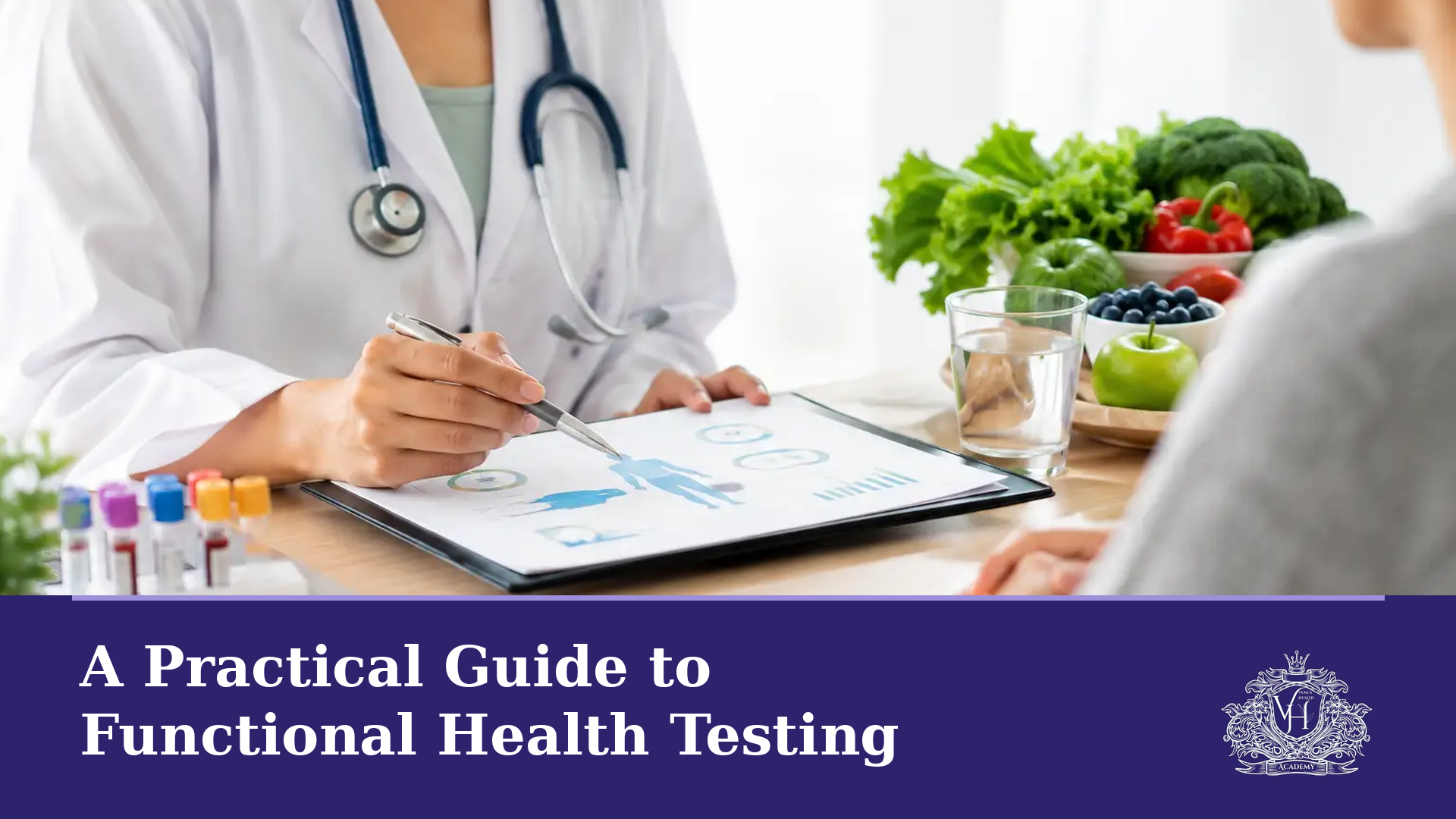
A test result can feel like an answer, especially when you have spent months managing fatigue, digestive discomfort, disrupted sleep or changing moods. Yet a number on a report is only one part of your health story. This guide to functional health testing will help you choose tests with purpose, place results in context and turn what you learn into practical next steps.
Functional health testing is most useful when it supports thoughtful care rather than more worry. It can help identify patterns worth exploring across nutrition, digestion, hormones, stress, sleep and metabolic health. It should not replace a medical diagnosis, urgent assessment or treatment plan from an appropriately qualified clinician.
What functional health testing is designed to do
Functional health testing looks beyond whether a result sits inside or outside a standard laboratory range. Depending on the test and the practitioner interpreting it, the aim may be to understand how body systems are functioning together and what may be influencing a person’s day-to-day symptoms or long-term wellbeing.
That approach can be helpful for people who want a fuller picture of their health, as well as practitioners supporting clients with lifestyle change. A food and symptom diary may reveal that bloating worsens after rushed meals. Blood markers might then add insight into iron status, blood sugar regulation or inflammation. Neither piece of information tells the whole story alone.
The word “functional” does not mean every test marketed under that label is necessary or equally well supported. Test quality, the relevance of the marker, your health history and skilled interpretation all matter. The best testing plan is usually focused, not exhaustive.
Start with the question, not the kit
Before ordering a test, pause and name the decision it will help you make. This single habit can save money, reduce confusion and keep your attention on your wellbeing rather than on collecting data.
For example, persistent tiredness may justify discussing full blood count, iron stores, vitamin B12, folate, thyroid markers or blood glucose with a clinician. Recurrent digestive symptoms may call for a conversation about diet, coeliac screening, medication, stress, bowel habits and appropriate stool testing. The most suitable route depends on the symptoms, your age, family history and any existing diagnosis.
Write down three things: what you are experiencing, when it began and what you hope to learn. Include changes in appetite, energy, sleep, menstrual cycle, skin, mood, bowel movements, weight and exercise recovery where relevant. Bring previous results and a list of medicines, supplements and herbs. These details make interpretation safer and more meaningful.
Some symptoms need medical attention before any functional testing. Seek prompt clinical care for chest pain, severe or worsening abdominal pain, blood in stool or urine, unexplained weight loss, fainting, new neurological symptoms, persistent high fever or thoughts of self-harm. If you are pregnant, trying to conceive, managing a chronic condition or taking prescribed medicines, involve your GP or relevant clinician before making significant changes.
Common types of functional health testing
The right test is the one that answers a sensible question and has a clear plan for what happens next. These are common categories you may encounter.
Blood testing
Blood tests can offer a useful starting point for many concerns. Depending on your circumstances, markers may assess blood count, iron and nutrient status, thyroid function, blood glucose, cholesterol, liver and kidney function, inflammation or selected hormones.
Timing matters. Hormones can vary across the menstrual cycle, while food, exercise, illness, alcohol and supplements can influence other markers. Ask whether you need to fast, avoid biotin or pause a supplement before testing. Do not stop prescribed medication unless the clinician overseeing your care tells you to.
Stool and digestive testing
Stool tests may assess digestive markers, signs of inflammation, infections or other features relevant to gut health. They can be valuable when used alongside a thorough history, but they are not a shortcut to blaming every symptom on the microbiome.
Results sometimes identify findings that are difficult to interpret or do not require treatment in a person without symptoms. A qualified practitioner can help distinguish a meaningful pattern from a result that simply needs monitoring, further investigation or no action at all.
Urine, saliva and other specialist tests
Urine or saliva testing may be used in specific contexts, such as assessing aspects of hormone metabolism or nutrient status. Their usefulness varies by marker and clinical question. Be especially cautious of broad panels that promise to explain every symptom, diagnose vague “imbalances” or require an expensive sequence of products.
Home collection can be convenient, but convenience is not the same as accuracy. Check who processes the sample, whether the laboratory has recognised quality standards, how the test has been validated and who will explain the findings.
How to read results without losing the bigger picture
A reference range is a comparison range developed by the laboratory. Being inside it does not automatically mean you feel well, and being slightly outside it does not automatically mean something is wrong. Recent illness, hydration, sleep, training load, menstrual timing and sample handling can all affect results.
This is why trends often matter more than a single isolated result. If a marker changes over time, review what else changed: diet, stress, medication, illness, sleep, training or supplementation. Repeat testing can be useful when it is timed appropriately and linked to a decision, rather than used as constant reassurance.
Interpretation should also respect individual context. A reference range may not fully account for a person’s symptoms, medical history or life stage. Equally, a result that appears “optimal” on a wellness chart should never override clinical signs, safety concerns or conventional medical assessment.
For practitioners, clear communication is part of ethical support. Avoid telling clients that a test proves a root cause when it only suggests an area to explore. Use language such as “this may be relevant”, “let’s look at this alongside your symptoms” and “this is worth discussing with your clinician”. That creates confidence without overstating certainty.
Turn insight into a manageable health plan
Results become useful when they shape actions you can sustain. Trying to change food, supplements, sleep, movement and stress all at once often leads to overwhelm. Choose one or two foundations that match the strongest pattern in your history and results.
If blood sugar regulation is a concern, that may mean building more regular meals with protein, fibre and nourishing carbohydrates, then noticing afternoon energy and cravings. If digestive symptoms are prominent, it may mean slowing meals, tracking triggers with curiosity and seeking personalised support before removing multiple foods. If nutrient status needs attention, food-first choices and carefully selected supplements may both have a place, depending on the marker and clinical advice.
Set a review point before you begin. You might track energy, bowel regularity, sleep quality, mood or symptom frequency for six to eight weeks. Decide what would count as progress, what would prompt a conversation with a clinician and whether retesting is genuinely needed. This is where testing becomes part of prevention and long-term vitality rather than a one-off search for answers.
Questions to ask before you invest
A good testing conversation should leave you clearer, not more dependent on a complicated protocol. Ask what question the test answers, how reliable it is for that purpose, what the result may change and what the total cost includes. Check whether professional interpretation, follow-up support and referral to medical care are available.
It is also reasonable to ask about conflicts of interest. If the person recommending a test also sells a large supplement package, request an explanation of alternatives, likely benefits, risks and cost. Trusted natural health knowledge includes knowing when a simpler intervention, a GP appointment or no test at all is the wisest choice.
At Venus Health Academy, this kind of learning works best in a supportive community: a space to ask better questions, build practical tools and make informed choices at a pace that respects your real life. Let testing guide your next caring step, not define your health story.