What Holistic Health Education Looks Like in Practice
Holistic health education helps you look beyond individual symptoms and understand the wider connections between food, sleep, stress, movement, emotional wellbeing and everyday lifestyle. Discover practical ways to recognise patterns, make informed choices and build sustainable habits that support your long-term health and wellbeing.

A blood test with a result marked ‘out of range’, a tiredness that never quite lifts, or a growing sense that your daily habits are no longer serving you can leave you with more questions than answers. Holistic health education helps turn that uncertainty into informed, practical next steps. Rather than asking only, ‘What can make this symptom disappear?’, it encourages a wider question: ‘What might my body, routine, environment and emotional life be asking for?’
This is not about finding one perfect diet, supplement or morning routine. It is about building the confidence to understand health information, notice patterns and make sustainable choices that fit real life. For people managing ongoing concerns and for professionals supporting clients, that shift can be deeply empowering.
What holistic health education really means
Holistic health education looks at wellbeing as a connected system. Food matters, but so do sleep, movement, stress, relationships, purpose, hydration, digestion, hormones, daily rhythms and the practical realities of someone’s life. A plan that ignores these connections may offer short-term relief, yet be difficult to maintain or miss an important contributor.
Education is the key word here. The aim is not to hand your health over to a protocol or an expert. It is to develop trusted natural health knowledge so you can ask better questions, understand the reasoning behind recommendations and participate actively in your own care.
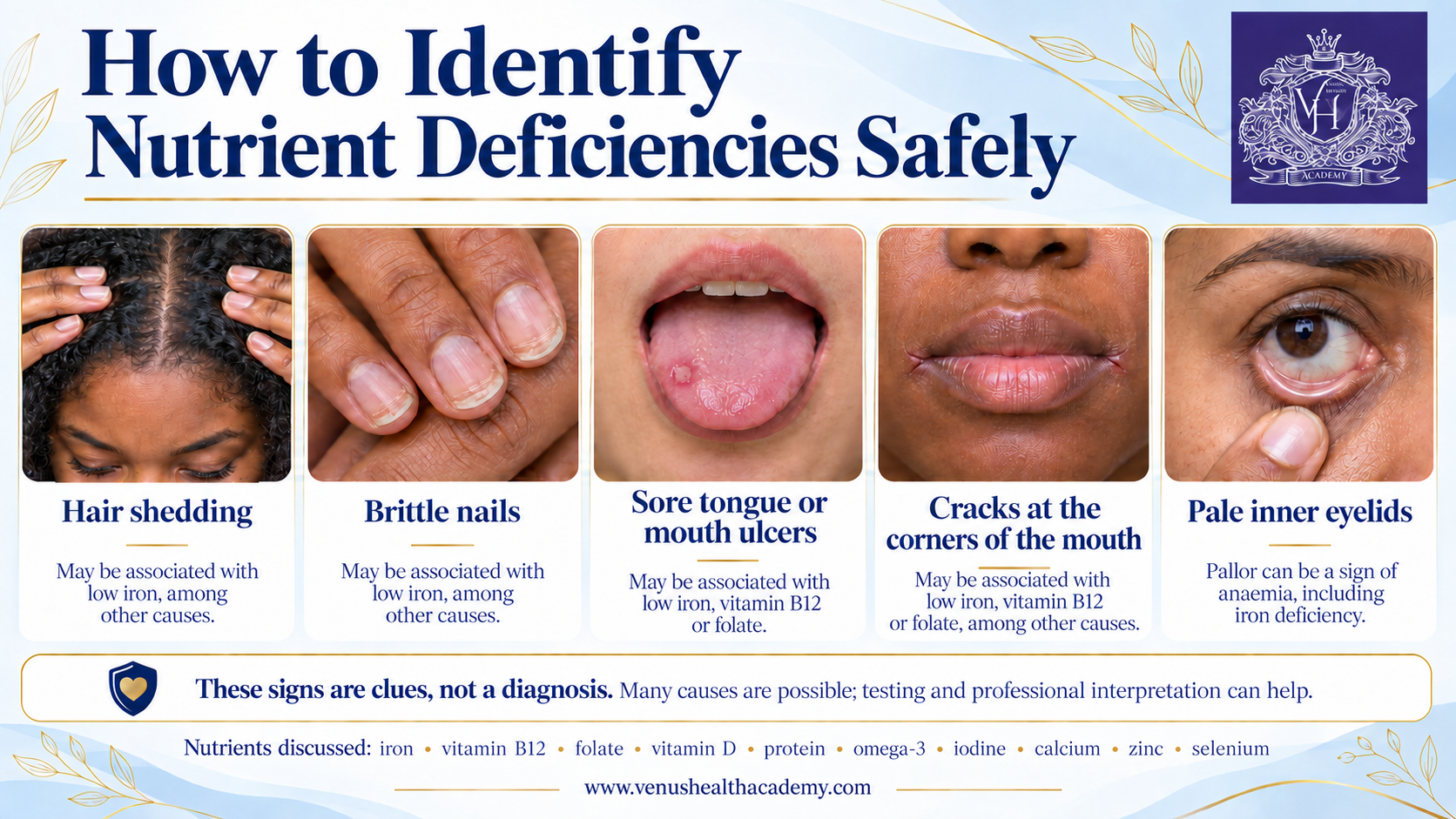
For instance, someone experiencing low energy may be tempted to reach immediately for caffeine or an energy supplement. A holistic approach might also consider meal timing, protein and fibre intake, sleep quality, stress load, iron status, medication, menstrual health, blood-sugar swings and whether they are taking any genuine time to recover. None of these factors should be assumed to be the answer, but each may be relevant.
That is the difference between broadening the picture and making unsupported claims. Holistic education teaches curiosity and discernment, not guesswork.
Why symptom-only thinking can keep people stuck
Symptoms are useful signals, but they are rarely the whole story. Headaches, digestive discomfort, skin changes, low mood and poor sleep can each have many possible influences. Managing the immediate discomfort is sometimes necessary and appropriate. However, if the same issue repeatedly returns, it can be helpful to explore the conditions surrounding it.
Root-cause healing is often misunderstood as a promise that every health challenge has one hidden explanation. Human health is usually more layered than that. Genetics, life stage, illness, trauma, work demands, access to food, caring responsibilities and clinical conditions all play a part. A thoughtful approach identifies the most meaningful and manageable factors rather than chasing a single cure.
This matters because people often blame themselves when a wellness trend does not work. They may have followed a restrictive plan, bought a cupboard full of products or copied someone else’s routine, only to feel worse or give up. Education replaces that cycle with context. It helps you understand what is worth trying, what needs professional input and what may simply not suit your needs.
The practical skills that create lasting change
Good holistic health education should leave you with tools you can use on an ordinary Wednesday, not just ideas that sound good in a workshop. The most useful learning combines clear foundations with opportunities to apply them.
Learn to notice patterns without becoming obsessed
Keeping a simple record of meals, sleep, energy, mood, movement and symptoms can reveal useful connections. Perhaps afternoon cravings follow a rushed breakfast. Perhaps digestive symptoms worsen during intense work periods. Perhaps your mood changes when sleep has been poor for several nights.
The purpose is not to monitor every mouthful or turn wellbeing into a full-time project. It is to gather enough information to make a calm, evidence-aware adjustment. A brief check-in for a few weeks is often more helpful than an elaborate tracker you abandon after three days.
Build meals around nourishment, not restriction
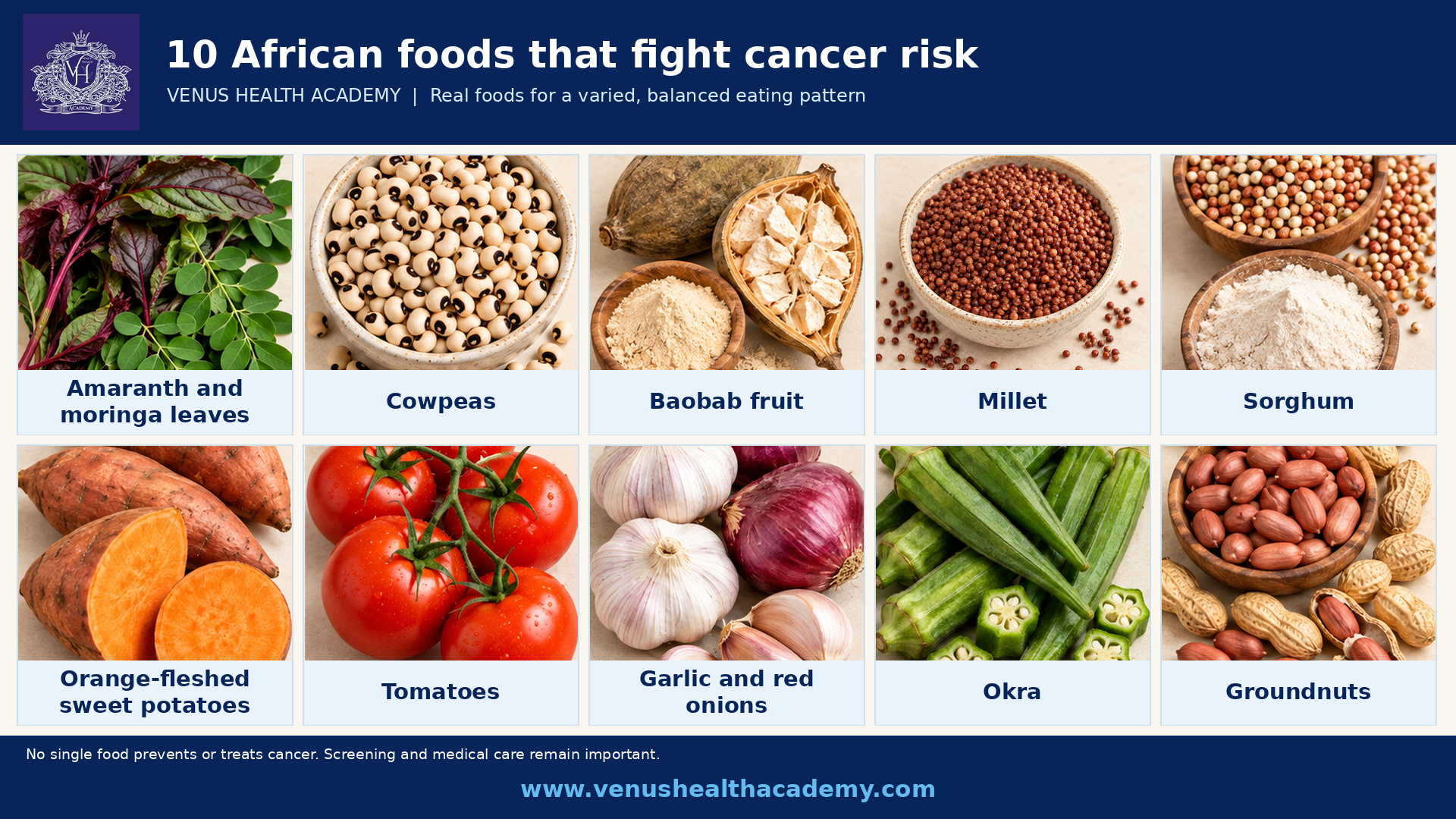
Nutrition education is most effective when it makes food feel more possible. Understanding how to create balanced meals, read ingredients, plan ahead and prepare satisfying recipes can support steadier energy and a healthier relationship with eating.
There is no universal menu. Cultural preferences, allergies, budget, medical needs, cooking confidence and family routines all matter. Practical recipe videos and adaptable meal ideas can be especially valuable because they translate principles into food people actually want to make.
Treat stress support as a health practice
Stress is not a personal failure, and it cannot always be removed. Yet the way we recover, set boundaries and regulate our nervous system can influence many areas of wellbeing. Breathing practices, time outdoors, gentle movement, journalling, supportive conversation and more consistent rest may all have a place.
The right strategy depends on the person. Someone already overwhelmed by a packed schedule may not benefit from another demanding routine. A five-minute pause before lunch, a realistic bedtime cue or a weekly check-in with a supportive community can be a more sustainable starting point.
Understand health information with care
Online health content can be useful, but it can also create confusion and fear. Learning how to assess claims is one of the strongest forms of self-advocacy. Look for clear explanations, proportionate language, attention to safety and an honest acknowledgement of what is not yet known.
Test results also need context. A number on a report does not automatically explain how you feel, nor does a ‘normal’ result mean your experience should be dismissed. Qualified clinicians can help interpret findings alongside symptoms, history and appropriate follow-up. Holistic learning can help you prepare questions and understand the conversation, but it should not replace medical diagnosis or prescribed treatment.
Holistic health education for professionals and health seekers
The same principles can serve different people in different ways. An individual may want clear guidance on food, sleep and emotional wellbeing after years of reactive health decisions. A health coach or wellness practitioner may want structured protocols, client resources and greater confidence when discussing lifestyle foundations.
For professionals, ongoing education also means knowing the boundaries of their role. Supporting habits, behaviour change and wellbeing is not the same as diagnosing disease or advising a client to stop medication. Strong practice includes recognising red flags, encouraging appropriate clinical care and collaborating respectfully with other health professionals.
For individuals, working with a practitioner can bring accountability and perspective, but your voice still matters. You should understand why a suggestion is being made, what a realistic outcome looks like and when to seek further medical support. The best learning environments invite questions rather than creating dependence.
A supportive global learning community can make this process feel less isolating. Group coaching, live health events and shared experiences offer encouragement, while one-to-one consultations can provide more personalised reflection when needed. Venus Health Academy brings these elements together through courses, practical resources and guided support designed for both professionals and everyday health seekers.
A realistic way to begin your learning journey
Start with one area that would make the greatest difference to your day-to-day life. It might be creating a more nourishing breakfast, understanding a recent test result with a clinician, improving your wind-down routine or finding tools to manage a stressful season.
Then choose a small action you can repeat. Ambitious overhauls often fail because they demand too much energy at once. A change that feels almost too simple - adding a protein-rich food to breakfast, taking a short walk after lunch or preparing two evening meals in advance - can create momentum when repeated consistently.
Review with kindness. If a strategy does not help, that is information, not failure. Ask whether the approach was realistic, whether another factor needs attention or whether you need professional guidance. Progress is rarely a straight line, particularly when you are living with a health condition, balancing work and family, or recovering from a difficult period.
Choose education that supports informed choices
Not all wellness education is created equal. Be cautious of programmes that promise rapid cures, present one approach as right for everyone or use fear to sell a solution. A responsible educator will make room for individual differences, explain limitations and encourage you to work with qualified healthcare professionals where appropriate.
Look for learning that is practical as well as inspiring: clear courses, downloadable guides you will return to, recipes that suit your routine, opportunities to ask questions and coaching that helps you apply knowledge in real life. Information becomes valuable when it changes what you can confidently do.
Your health does not need to become a never-ending project. Begin with curiosity, choose one supportive step and give yourself space to learn what helps you feel more steady, informed and well.